In Nigeria, as in many parts of the world, saving money is an essential part of personal finance. However, economic uncertainties, low-income levels, and uncontrollable expenditures often hinder individuals and families from achieving their savings goals. Despite these challenges, there exist effective techniques that Nigerians can adopt to cultivate a healthy savings habit. This article explores common savings challenges in Nigeria and practical techniques to overcome these hurdles.
Common Savings Challenges in Nigeria
- Economic Instability: Nigeria’s economy has faced various challenges, including inflation, currency devaluation, and recession. As prices for goods and services continue to rise, individuals find it increasingly difficult to save. The purchasing power of the naira diminishes, leaving little left over after essential expenses.
- Low Income: Many Nigerians earn modest salaries that barely cover their daily needs. With the majority living paycheck to paycheck, prioritizing saving can often take a backseat to immediate financial responsibilities.
- Cultural Attitudes Towards Money: In Nigeria, certain cultural beliefs lead to a spending culture rather than a saving one. Societal pressures to display wealth can compel individuals to overspend, undermining their ability to save.
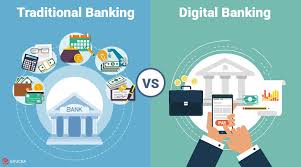
- Limited Access to Financial Products: Access to traditional banking and financial services can be a challenge. Many rural and unbanked populations in Nigeria lack access to basic savings accounts and investment options, which makes it difficult to save systematically.
- Emergency Expenditures: Unexpected emergencies—such as medical expenses, car repairs, or family obligations—can quickly deplete savings. Without a financial buffer, Nigerians may find themselves back at square one after making progress.
Techniques to Overcome Savings Challenges
Despite these obstacles, effective techniques can help individuals establish strong saving habits:
- Create a Budget: A well-structured budget is the foundation of financial planning. Recording income and expenditures helps identify spending patterns, allowing individuals to redirect discretionary spending towards savings. Budgeting apps, spreadsheets, or simple pen and paper can be handy tools.
- Adopt the 50/30/20 Rule: This widely recognized budgeting method suggests allocating 50% of income to needs (housing, food), 30% to wants (entertainment, luxury items), and 20% to savings and debt repayment. This guideline can help Nigerians prioritize saving effectively.
- Round-Up Savings Apps :Apps like PiggyVest and Cowrywise have features that automatically round up every transaction to the nearest hundred or thousand naira and save the difference. This effortless savings technique helps build up savings without noticeable effort.
- Set Specific Savings Goals: Establishing clear, attainable savings goals helps maintain motivation. Whether it’s saving for a house, a wedding, or an emergency fund, clearly defined goals can guide financial decisions and provide a sense of purpose.
- Automate Savings: Automating transfers to savings accounts can simplify the saving process. Individuals can set up a monthly transfer to a separate savings account right after receiving their salary. This approach fosters a “pay yourself first” mentality and minimizes temptations to spend.
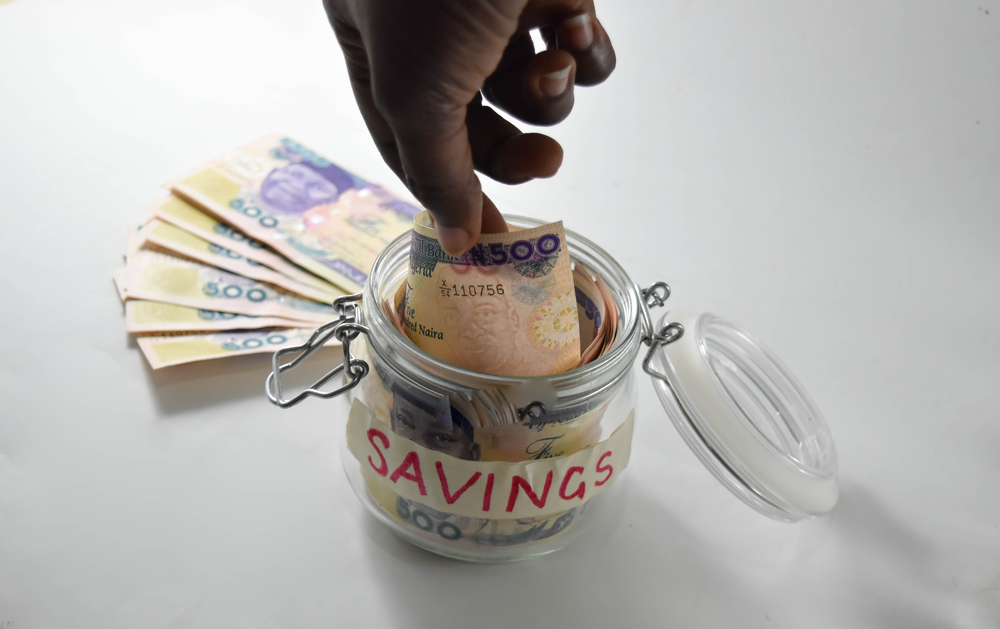
- The Daily or Weekly Savings Box (Kolo)A simple, physical savings technique where individuals put away small amounts daily or weekly in a piggy bank or box. It’s an easy way to save spare change that can accumulate significantly over time
- Join Savings Groups: Community savings initiatives, such as “Ajo” or “Esusu,” become vital support systems. These traditional savings groups offer members a way to pool resources, contribute regularly, and receive lump-sum payouts periodically. The collective commitment encourages individuals to save consistently.
- Seek Alternative Investment Vehicles: Many Nigerians are turning to alternative savings methods that go beyond traditional banks, such as mobile banking, fintech platforms, or peer-to-peer lending. These platforms often provide higher interest rates and greater accessibility for unbanked populations.
- Leverage Windfall Income: Allocating portions of unexpected income—such as bonuses, tax refunds, or gifts—can be an excellent way to boost savings. Instead of spending all windfall income, setting aside a percentage for savings can enhance financial resilience.
- Educate on Financial Literacy: Investing time in understanding personal finance can empower Nigerians. Financial literacy workshops, online courses, and reading materials can provide essential information on budgeting, saving, and investing.
Conclusion
Saving money in Nigeria presents unique challenges, but understanding these obstacles and adopting effective savings techniques can make a significant difference. By implementing structured budgeting, setting goals, leveraging technology, and fostering community ties, Nigerians can build a solid financial foundation. With discipline and perseverance, individuals can overcome existing barriers to saving, ultimately achieving financial stability and independence.