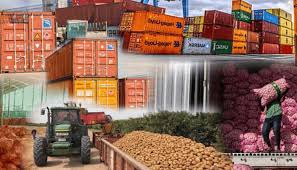
How Entrepreneurs Can Access Global Markets and Earn in Strong Currencies
Nigeria is blessed with abundant human and natural resources, a youthful population, and a strategic geographic position. Yet, for many small businesses, the idea of exporting often feels distant and reserved for large corporations. This mindset has caused entrepreneurs to overlook one of the most lucrative pathways to growth: exporting products and services to global markets.
With the right knowledge, structure, and support, even micro and small businesses can tap into export opportunities earning in foreign currency, expanding visibility, and building sustainable wealth.
At Enem Consulting, we continuously help entrepreneurs rethink what is possible. In this post, we explore some of the most untapped, high-potential export opportunities available today for Nigerian small businesses.
Processed Agro-Products (The Global Demand is Massive)
While raw commodity export is common, the real untapped opportunity lies in processed agro-products, where value addition creates higher margins.
High-demand items include:
- Dried ginger, turmeric, and garlic
- Hibiscus (zobo) flower
- Sesame seed products
- Shea butter (refined and packaged)
- Dried pepper, crayfish, and local spices
- Coconut chips and coconut oil
- Garri (fortified/packaged), yam flour, cassava flour
Why it’s untapped:
Most Nigerian exporters focus on bulk commodities. The global market, however, is shifting toward shelf-ready premium products with clear packaging, traceability, and certification.
Opportunity for SMEs:
You don’t need to own a farm. Many small businesses operate by:
- Sourcing from cooperatives
- Cleaning, drying, packaging
- Obtaining simple certifications like NAFDAC or FDA food facility registration
- Exporting through freight forwarders
Margins are high, and demand is consistent across Europe, U.S., Canada, and the Middle East.
2. Beauty, Personal Care, and Herbal Products
Nigeria is rich in natural ingredients that global consumers want. Small-scale manufacturers can export:
- Black soap (traditional or enhanced)
- Shea butter–based skincare lines
- Natural oils (neem, moringa, tea tree, baobab)
- Hair care products designed for Afro-textured hair
Why this is a goldmine:
There is a global shift towards clean, organic, and African-inspired beauty. African brands are gaining popularity on platforms like Etsy, Amazon, and independent retail stores.
What SMEs need:
- Attractive branding
- Good manufacturing practices
- Basic laboratory testing
- Small-batch production capacity
This segment allows small businesses to scale quickly without heavy machinery.
3. Cultural and Creative Exports (A Fast-Rising Sector)
Nigeria’s creative industry fashion, crafts, arts is attracting global attention.
Export-ready products include:
- Ankara/Aso-oke fashion items
- Leather footwear and bags
- Jewelry
- Handmade décor pieces
- Artworks
- Beads and accessories
Why it’s untapped:
Most creative entrepreneurs sell only locally, yet diaspora communities abroad are eager to buy authentic Nigerian products.
Platforms to leverage:
- Etsy
- Shopify
- Instagram marketplace
- Amazon Handmade
- Diaspora cultural stores
Even small-scale creators can build global brands with the right digital presence.
4. Food Items for the Diaspora Market
The diaspora population is growing and so is their nostalgia for home. There is huge demand for:
- Palm oil (filtered/odourless for EU export)
- Beans, rice, and grains
- Local snacks (kuli-kuli, chin-chin, plantain chips)
- Spices and seasoning
- Ogbono, egusi, iru
- Smoked fish (processed to meet EU standards)
Why SMEs are missing out:
Many don’t understand compliance, packaging, and logistics requirements. But with the right training and proper hygiene standards, these items move very fast in international markets.
5. Export of Services (The Hidden Giant)
Not all exports are physical. Nigeria’s skill pool is gaining global relevance.
Exportable services include:
- Digital marketing
- Software development
- Graphic design
- Virtual assistance
- Business consulting
- Online tutoring
- Logistics coordination
- Content writing and editing
Nigeria’s population of young, tech-savvy professionals makes this an overlooked goldmine.
Why it is untapped:
Many small businesses don’t position themselves as international service providers or lack structured pricing in foreign currency.
This is one of the easiest ways to start earning in dollars without dealing with shipping or products.
Agriculture-Based By-Products and Waste Exports
Global manufacturers now turn agricultural by-products into high-value items.
Exportable by-products include:
- Cassava peels (for animal feed)
- Shea cake
- Cocoa husk
- Rice bran
- Palm kernel shells (PKS) for biofuel
- Wood residues
These items are produced in large quantities across Nigeria but often wasted. Exporters in this niche earn consistently because industrial users abroad buy in bulk.
Local Textiles and Indigenous Fabrics
Nigerian fabrics such as:
- Aso-oke
- Adire
- Hand-woven textiles
- Tie and dye fabrics
…are gaining global attention in interior décor and fashion segments.
Export opportunities:
- Bulk sales to fashion designers abroad
- Retail sales via online platforms
- Collaborations with boutique stores abroad
- Supplying interior decorators
This sector has minimal entry barriers and strong demand.
Barriers Holding SMEs Back and How to Overcome Them
Even with these opportunities, many Nigerian entrepreneurs struggle to begin exporting. The major challenges include:
- Lack of export knowledge
- Poor packaging and branding
- Limited access to finance
- Fear of compliance requirements
- Unreliable logistics partners
- Absence of business structure
How to overcome these challenges:
- Start with small consignments to test the market.
- Learn the basics of exporting (NEPC, CBN guidelines, Incoterms).
- Invest in packaging and labelling.
- Register your business and maintain proper records.
- Join export cooperatives and clusters.
- Use freight forwarders who specialise in SME exports.
- Leverage NEPC incentives and training.
At Enem Consulting, we guide entrepreneurs through these steps so they can export confidently and compliantly.
Why Now Is the Best Time for Nigerian SMEs to Export
- The naira is weak exporting helps businesses earn stronger currencies.
- Global markets want African and natural products more than ever.
- Digital platforms have made international selling easier than before.
- Nigerian diaspora communities continue to grow, increasing demand.
- Government policies now support non-oil export diversification.
Even small businesses can begin with low capital and scale as demand increases.
Final Thoughts: The World Is Looking Towards Africa This Is Your Moment
Nigeria is moving into a new era where entrepreneurship must go beyond borders. Exporting is no longer an exclusive club for big companies. It is now a strategic pathway for micro and small businesses to scale, build wealth, and create generational impact.
Whether you produce food, craft beauty products, offer services, or create art—the global market is ready for you.
At Enem Consulting, we empower entrepreneurs with the knowledge, structure, and tools to start and scale export businesses. If you’re ready to begin your export journey, we’re here to guide you every step of the way.